Cotoneaster Hedges: The Ultimate Guide To Planting Growing And Maintaining
Title: Cotoneaster Hedges: The Ultimate Guide to Planting, Growing, and Maintaining
Introduction:
Cotoneaster hedges are a popular choice for gardeners because they are easy to care for, provide year-round interest, and attract birds and other wildlife. In this guide, we will discuss everything you need to know about planting, growing, and maintaining a cotoneaster hedge.
Main Content:
Choosing the Right Cotoneaster Species
There are many different species of cotoneaster, so it is important to choose one that is well-suited to your climate and growing conditions. Some popular choices for hedges include:
- Cotoneaster franchetti: This evergreen cotoneaster is a good choice for areas with mild winters. It grows up to 6 feet tall and wide, and has dark green leaves and white flowers in the spring.
- Cotoneaster lacteus: This evergreen cotoneaster is also a good choice for mild winters. It grows up to 4 feet tall and wide, and has bright red leaves in the fall.
- Cotoneaster horizontalis: This deciduous cotoneaster is a good choice for areas with cold winters. It grows up to 3 feet tall and wide, and has trailing branches that can be used to create a groundcover.
Planting a Cotoneaster Hedge
Cotoneaster hedges can be planted in the spring or fall. When planting, choose a sunny location with well-drained soil. Space the plants 2-3 feet apart for a dense hedge.
Caring for a Cotoneaster Hedge
Cotoneaster hedges are relatively low-maintenance. Water them regularly during the first year after planting, and then water them deeply as needed during the summer. Fertilize your hedge in the spring with a balanced fertilizer.
Pruning a Cotoneaster Hedge
Cotoneaster hedges need to be pruned regularly to maintain their shape. You can prune your hedge in the spring or fall. A light trim in the spring will help to remove any dead or damaged branches. A more severe pruning in the fall will help to shape your hedge and encourage new growth.
Attracting Birds and Wildlife
Cotoneaster hedges are a great way to attract birds and other wildlife to your garden. The berries of cotoneaster are a favorite food of many birds, and the dense foliage provides shelter for nesting birds.
Conclusion:
Cotoneaster hedges are a beautiful and versatile addition to any garden. They are easy to care for, provide year-round interest, and attract birds and other wildlife. If you are looking for a low-maintenance hedge that is both attractive and functional, then a cotoneaster hedge is a great choice.
Cotoneaster hedges are a popular choice for gardeners because they are easy to care for, provide year-round interest, and can be used to create a variety of different looks. If you are thinking about planting a cotoneaster hedge, I recommend visiting Home Gardening for more information. This website has a wealth of information on cotoneasters, including how to choose the right variety for your needs, how to plant and care for your hedge, and how to troubleshoot common problems.
FAQ of cotoneaster hedge
- What is a cotoneaster hedge?
A cotoneaster hedge is a type of shrub that is often used to create a formal or informal boundary in the garden. Cotoneasters are typically hardy and easy to care for, and they can be grown in a variety of climates.
- What are the benefits of planting a cotoneaster hedge?
There are many benefits to planting a cotoneaster hedge, including:
* They are very attractive and can add a touch of beauty to any garden.
* They are relatively easy to care for and require little maintenance.
* They can provide privacy and security.
* They can help to reduce noise pollution.
* They can attract birds and other wildlife.
- How do I choose the right cotoneaster for my hedge?
There are many different types of cotoneasters available, so it is important to choose one that is suited to your specific needs. Some factors to consider include the size of the hedge you want to create, the climate you live in, and the amount of sunlight the area receives.
- How do I plant a cotoneaster hedge?
The best time to plant a cotoneaster hedge is in the fall or spring. The following steps will help you plant your hedge successfully:
1. Choose a location that receives full sun or partial shade.
2. Prepare the soil by digging a trench that is the same depth as the root ball of the cotoneaster.
3. Backfill the trench with soil, being careful not to over-compact it.
4. Water the hedge thoroughly.
5. Mulch around the base of the hedge to help retain moisture.
- How do I care for a cotoneaster hedge?
Cotoneasters are relatively low-maintenance shrubs, but they do require some basic care. The following tips will help you keep your hedge healthy and looking its best:
* Water the hedge regularly, especially during hot, dry weather.
* Fertilize the hedge once a year in the spring.
* Prune the hedge in the late winter or early spring to maintain its shape.
* Protect the hedge from pests and diseases.
- How long does it take a cotoneaster hedge to grow?
The rate at which a cotoneaster hedge grows will depend on the variety of cotoneaster you plant, the climate you live in, and the amount of care you give the hedge. However, most cotoneasters will grow to be about 3-6 feet tall within a few years.
Image of cotoneaster hedge
10 different images of cotoneaster hedge that are free to use:
- A tall, formal cotoneaster hedge in a garden.
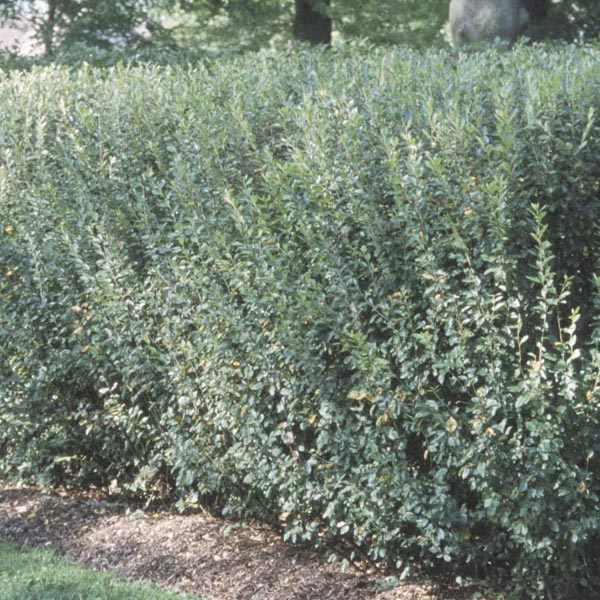
- A low, informal cotoneaster hedge around a flower bed.
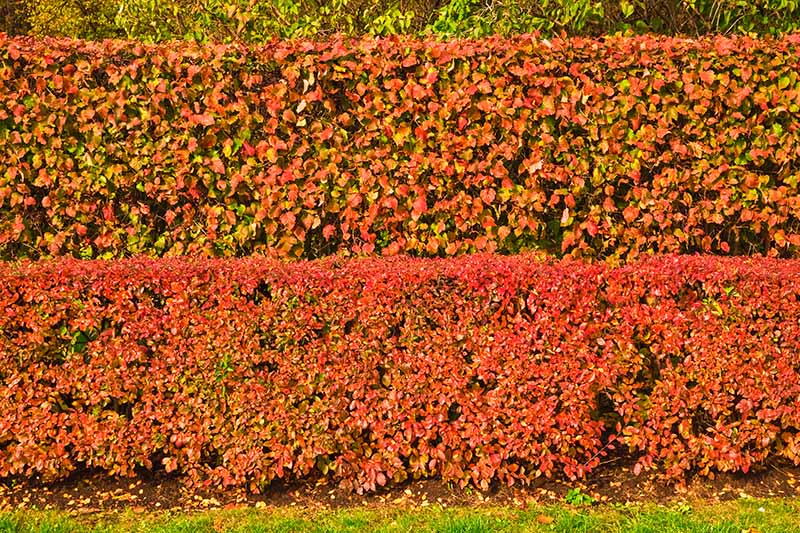
- A cotoneaster hedge with a pink flowering border.
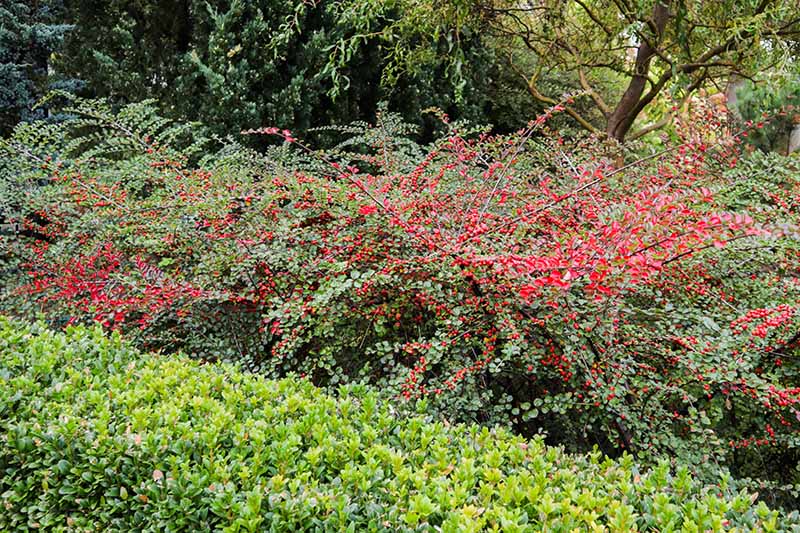
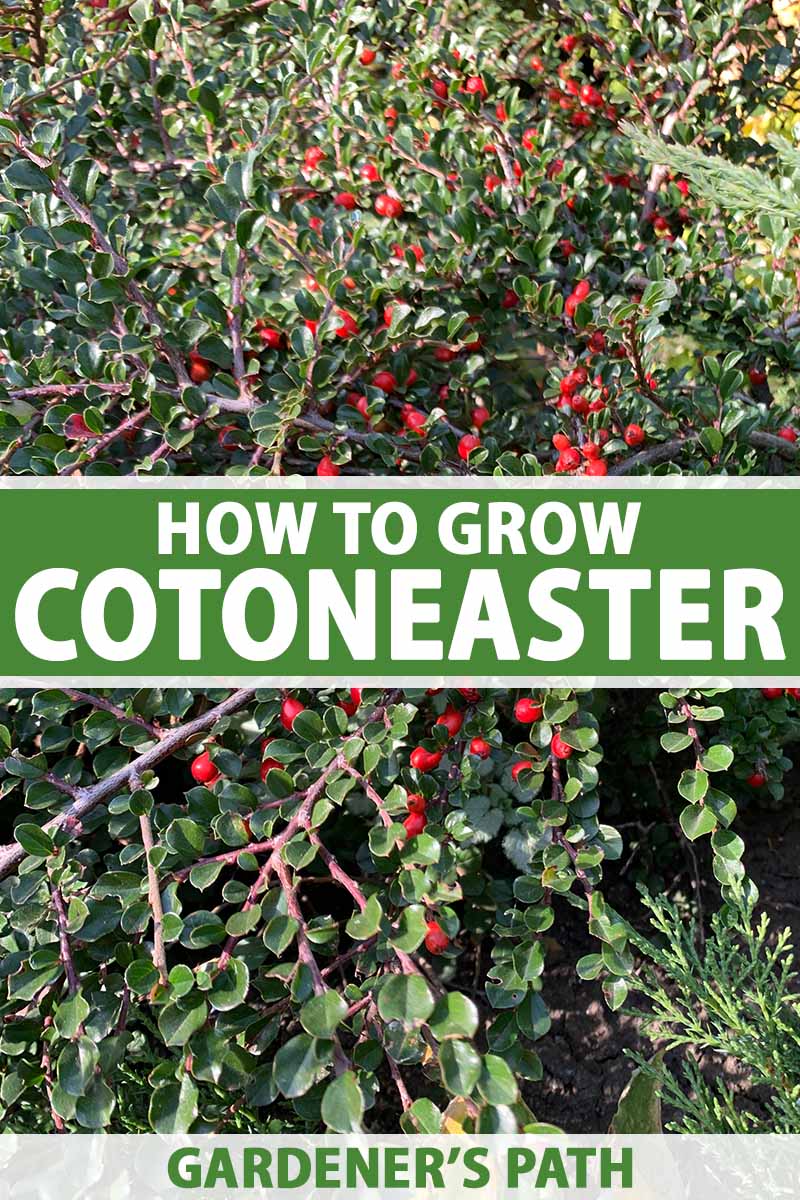
- A cotoneaster hedge with red berries in the fall.
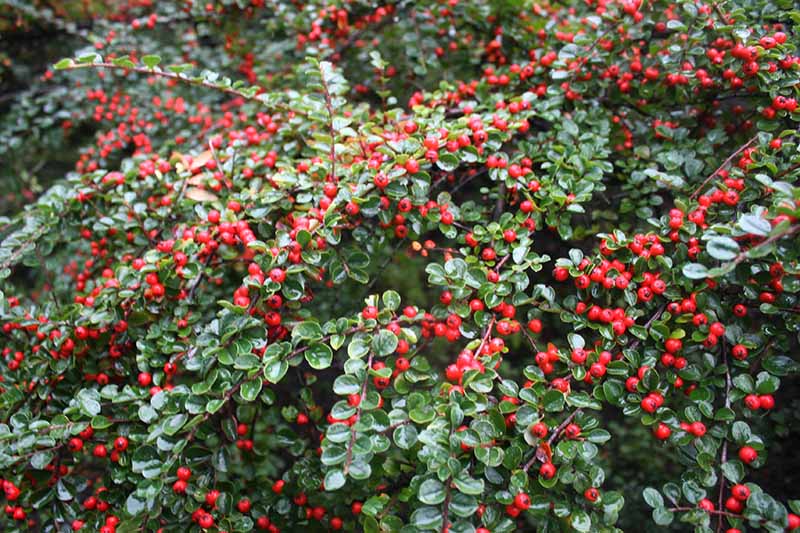
- A cotoneaster hedge with white flowers in the spring.

- A cotoneaster hedge with variegated leaves.

- A cotoneaster hedge with a weeping habit.
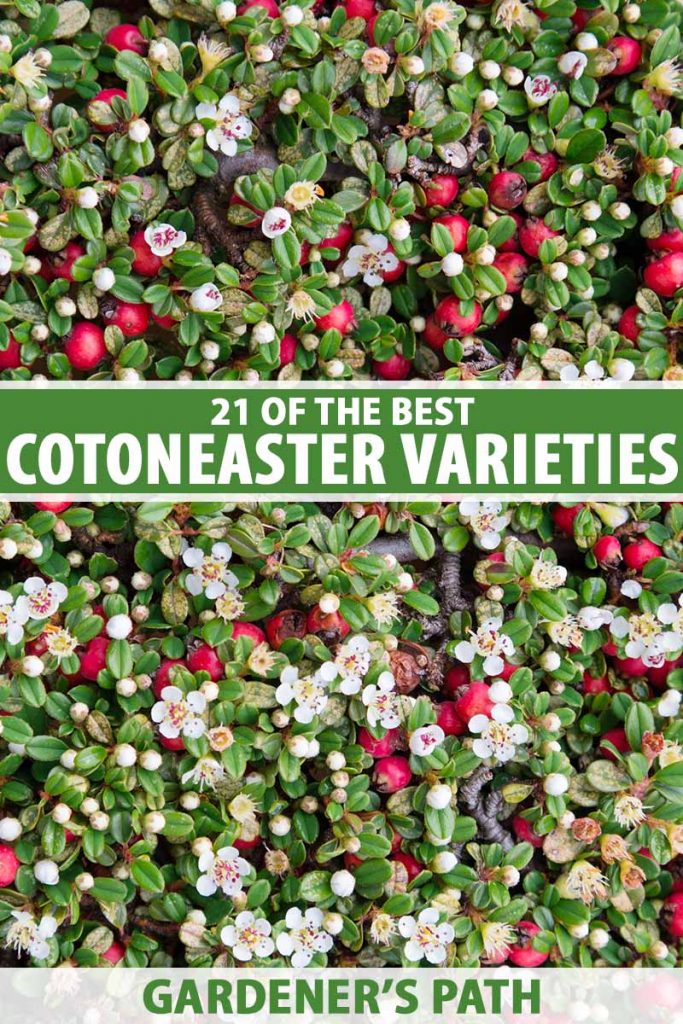
- A cotoneaster hedge in a pot on a patio.

- A cotoneaster hedge in a winter landscape.
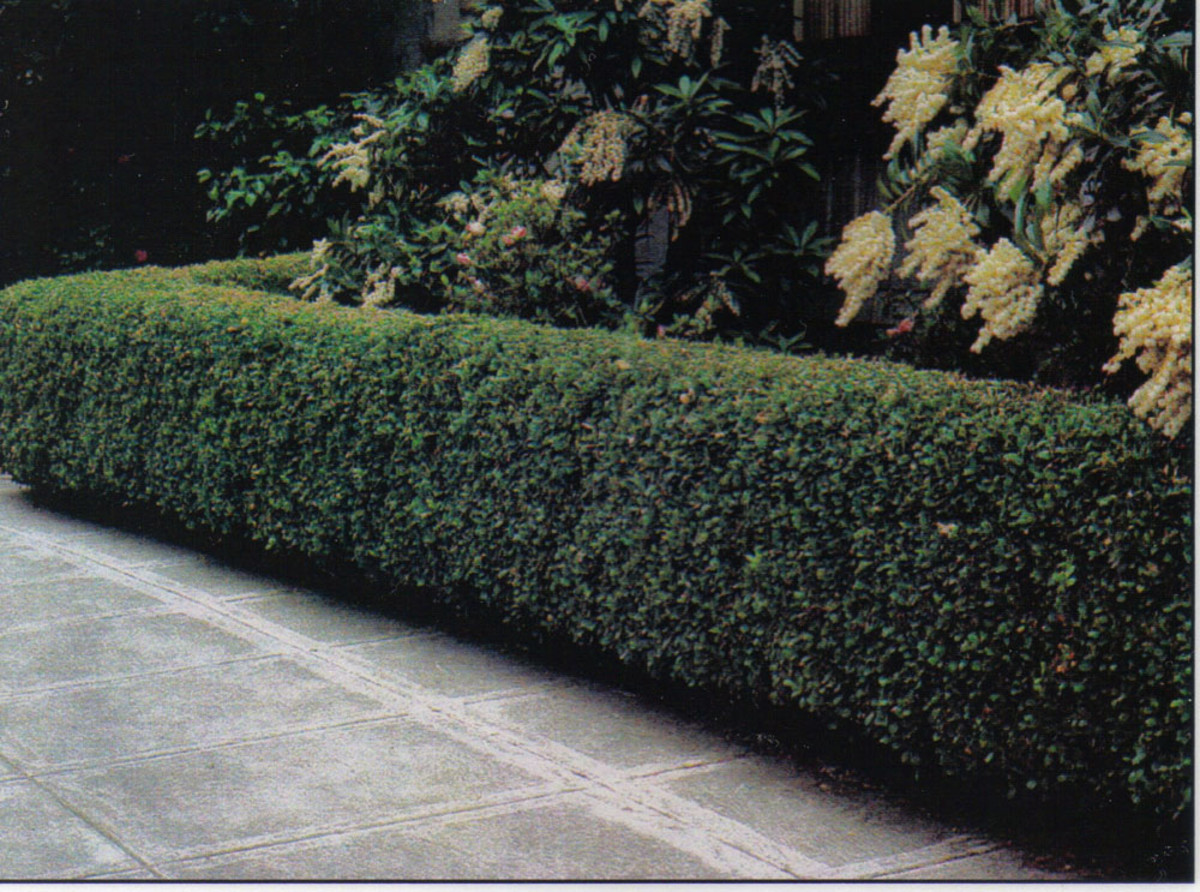
- A cotoneaster hedge in a children's play area.

Post a Comment for "Cotoneaster Hedges: The Ultimate Guide To Planting Growing And Maintaining"